

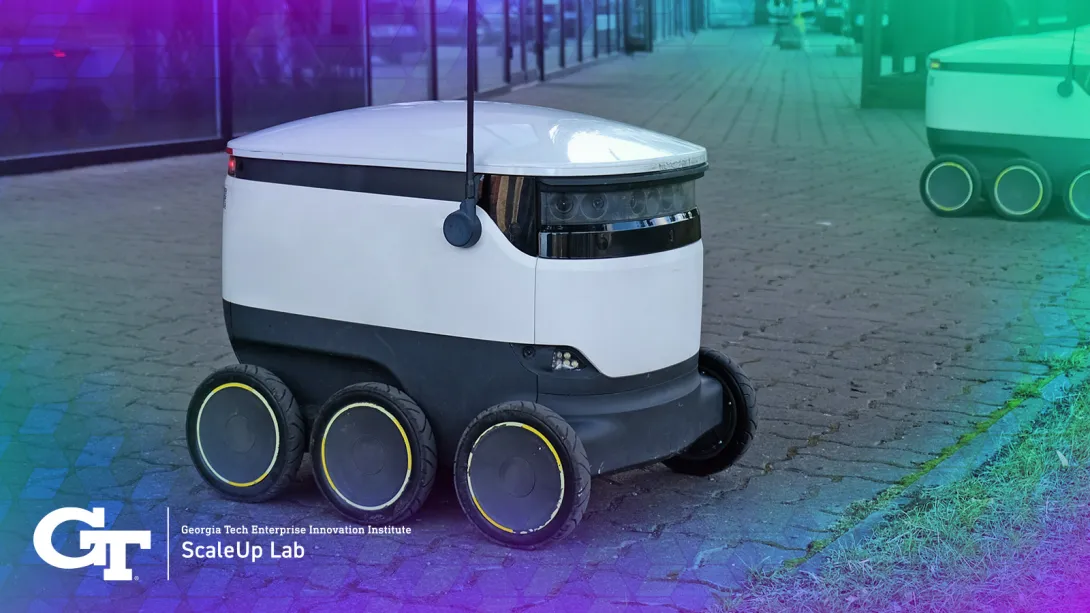

Autonomous vehicles (AVs) represent a revolutionary advancement in transportation, promising safer, more efficient, and sustainable mobility solutions. With rapid technological progress and significant investments from industry leaders, governments, and research institutions, self-driving technologies are poised to reshape the future of transportation. This article provides a comprehensive overview of autonomous vehicles, exploring their development, current state, challenges, and the future trajectory of self-driving transportation systems.
1. Understanding Autonomous Vehicles:
- Definition and Classification:
- Autonomous vehicles, also known as self-driving cars or driverless cars, are vehicles capable of sensing the environment and navigating without human input.
- Classification based on autonomy levels: SAE International’s six levels ranging from Level 0 (no automation) to Level 5 (full automation).
- Components and Technologies:
- Sensors: Cameras, LiDAR, radar, ultrasonic sensors for perception.
- Control Systems: Onboard computers, artificial intelligence (AI), machine learning algorithms for decision-making.
- Communication Systems: Vehicle-to-vehicle (V2V) and vehicle-to-infrastructure (V2I) communication for cooperative driving.
2. Development and Evolution of Autonomous Vehicles:
- Historical Milestones:
- Early experiments: Stanford’s “Stanley” and DARPA Grand Challenge.
- Development by tech giants: Google’s Waymo, Tesla, Uber, and traditional automakers.
- Technological Advancements:
- Progress in sensor technology: Improved accuracy and reliability.
- AI and machine learning: Enhanced perception, decision-making, and predictive capabilities.
- Simulation and testing: Virtual environments for safe and efficient testing of AVs.
3. Current State of Autonomous Vehicles:
- Commercial Deployment:
- Pilot programs and testing in controlled environments.
- Limited deployments of autonomous ride-hailing services and delivery vehicles in select cities.
- Regulatory Landscape:
- Government regulations and policies governing AV testing and deployment.
- Ethical and legal considerations: Liability, privacy, and safety standards.
4. Challenges and Limitations:
- Technical Challenges:
- Perception and decision-making in complex urban environments.
- Adverse weather conditions and unpredictable scenarios.
- Cybersecurity risks: Vulnerabilities to hacking and malicious attacks.
- Societal and Ethical Considerations:
- Job displacement and workforce implications.
- Equity and accessibility: Ensuring AVs benefit all segments of society.
- Public acceptance and trust in autonomous technologies.
5. Reflections on What’s Next:
- Continued Technological Innovation:
- Further advancements in sensor technology, AI, and machine learning.
- Integration of 5G connectivity for real-time data exchange and communication.
- Collaboration and Standardization:
- Industry collaboration to establish common standards and protocols.
- International cooperation on regulatory frameworks and safety standards.
- Human-Autonomous Vehicle Interaction:
- Designing intuitive user interfaces and human-machine interfaces (HMIs).
- Education and training programs for drivers and pedestrians to interact safely with AVs.
- Urban Planning and Infrastructure:
- Adaptation of cities and infrastructure for autonomous mobility.
- Integration of AVs with public transportation systems for seamless multimodal journeys.
Conclusion: Autonomous vehicles hold immense promise for revolutionizing transportation, offering safer, more efficient, and sustainable mobility solutions. While significant progress has been made in developing self-driving technologies, numerous challenges remain to be addressed, spanning technical, regulatory, and societal domains. However, with continued innovation, collaboration, and thoughtful planning, the future of autonomous transportation looks increasingly promising, paving the way for a transformative era of mobility.

