

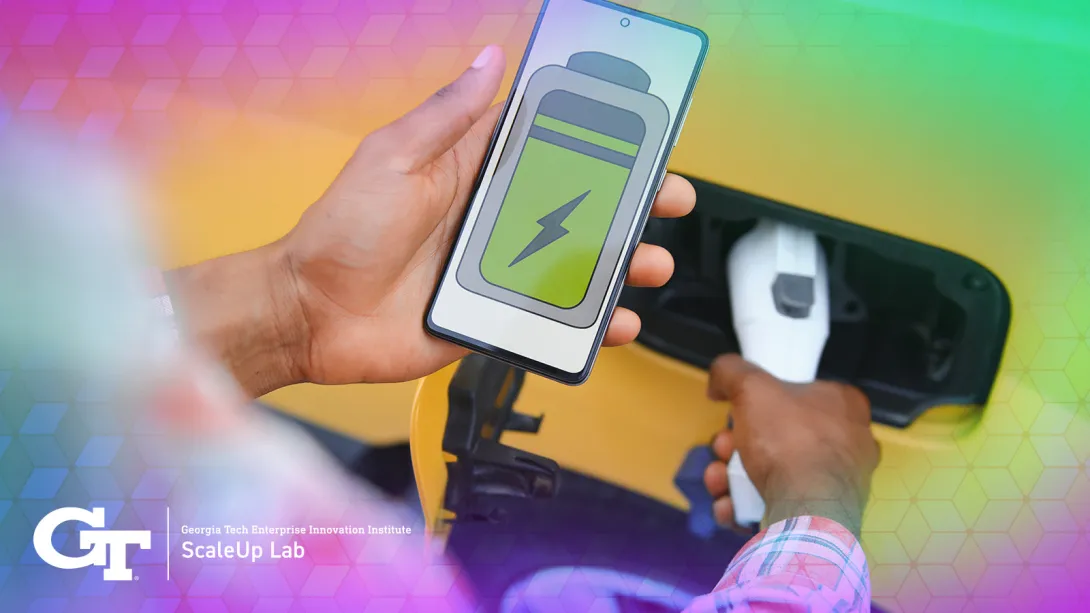

In the quest for sustainable energy solutions, the development of next-generation batteries stands at the forefront. These batteries promise to revolutionize various sectors, from transportation to consumer electronics and grid storage. With the increasing demand for high-capacity and fast-charging power sources, researchers and engineers are tirelessly innovating to bring these futuristic technologies to fruition.
Current Challenges in Battery Technology:
Before delving into the advancements of next-generation batteries, it’s crucial to understand the limitations of current battery technologies. Lithium-ion batteries, which dominate the market, offer decent energy density but suffer from slow charging times and limited lifespan. Additionally, the reliance on rare and expensive materials like cobalt raises concerns regarding sustainability and cost-effectiveness.
Promising Innovations in Next-Generation Batteries:
- Solid-State Batteries: One of the most anticipated advancements is the transition from liquid electrolytes to solid-state electrolytes. Solid-state batteries offer higher energy density, enhanced safety, and faster charging rates compared to their liquid counterparts. Companies like QuantumScape and Toyota are making significant strides in commercializing solid-state battery technology for electric vehicles (EVs).
- Lithium-Sulfur Batteries: Another promising contender is lithium-sulfur (Li-S) batteries. Li-S batteries boast higher theoretical energy densities than lithium-ion batteries, potentially doubling or even tripling the energy storage capacity. However, challenges related to sulfur cathode degradation and electrolyte stability need to be addressed for widespread adoption.
- Metal-Air Batteries: Metal-air batteries, particularly lithium-air and aluminum-air batteries, offer unparalleled energy densities by utilizing atmospheric oxygen as a reactant. Although still in the research phase, advancements in catalysts and electrolytes are paving the way for practical applications in EVs and grid storage.
Applications and Implications:
- Electric Vehicles (EVs): The automotive industry is eagerly awaiting the advent of next-generation batteries to address the limitations of current EVs, such as range anxiety and lengthy charging times. High-capacity batteries with fast-charging capabilities will accelerate the mass adoption of electric vehicles, leading to reduced greenhouse gas emissions and fossil fuel dependence.
- Consumer Electronics: Smartphones, laptops, and wearables continue to demand more energy-dense and efficient batteries to support advanced functionalities and longer usage times. Next-generation batteries will enable sleeker designs, extended battery life, and faster charging, enhancing the user experience across various electronic devices.
- Grid Storage: With the integration of renewable energy sources like solar and wind into the power grid, efficient energy storage solutions are indispensable for maintaining grid stability and reliability. Next-generation batteries offer the scalability and rapid response required for storing surplus energy during periods of low demand and discharging it during peak hours.
Challenges and Future Directions:
Despite the promising advancements, several challenges remain on the path to widespread adoption of next-generation batteries. These include:
- Scalability and Cost: Scaling up production while maintaining affordability is a significant hurdle for emerging battery technologies. Research efforts must focus on optimizing manufacturing processes and sourcing sustainable materials to drive down costs.
- Safety and Reliability: Ensuring the safety and reliability of next-generation batteries is paramount, especially in high-stakes applications like EVs and grid storage. Robust testing protocols and standards must be established to mitigate risks of thermal runaway and premature degradation.
- Environmental Impact: Addressing the environmental footprint of battery production and disposal is critical for achieving truly sustainable energy solutions. From reducing reliance on rare earth metals to implementing efficient recycling infrastructure, holistic approaches are needed to minimize environmental harm.
Reflections on What’s Next:
The journey towards next-generation batteries is marked by unprecedented collaboration between academia, industry, and policymakers. Continued investments in research and development, coupled with supportive regulatory frameworks, will accelerate the commercialization of these transformative technologies. As we venture into the future, the evolution of batteries will not only reshape our energy landscape but also catalyze innovation across diverse sectors, driving towards a cleaner, more sustainable world.

