

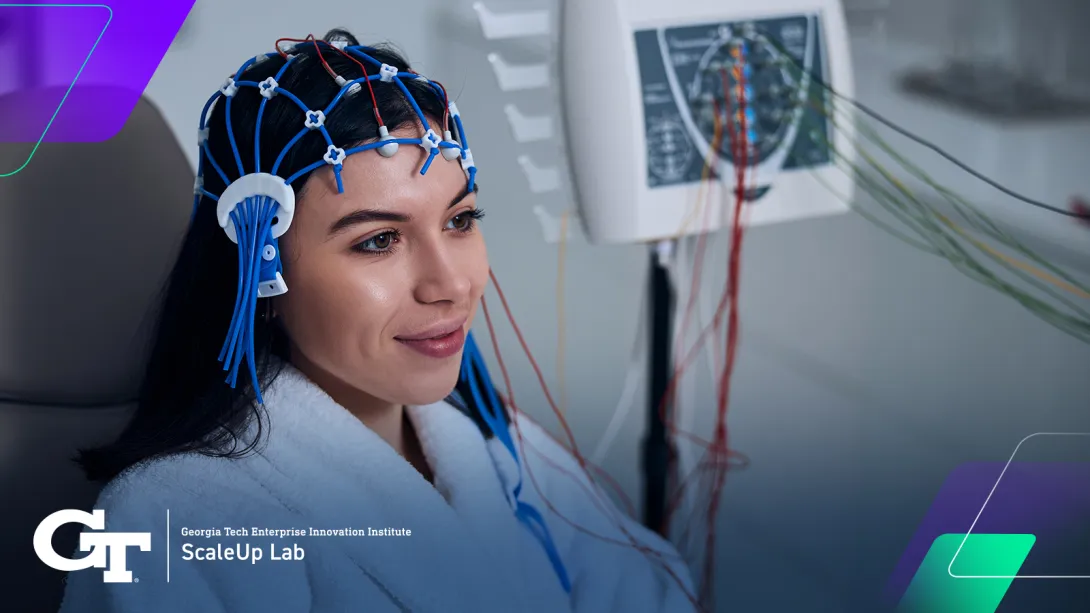

In the realm of neuroscience and technology, Brain-Computer Interfaces (BCIs) stand as a testament to the human quest for understanding and augmenting the capabilities of the mind. BCIs enable direct communication between the brain and external devices, holding promise for enhanced communication, control of devices, and treatment of neurological disorders. This comprehensive overview delves into the development, applications, and prospects of BCIs.
1. Understanding Brain-Computer Interfaces:
- Definition: BCIs are systems that translate brain signals into actionable commands for external devices.
- Components: Typically, BCIs comprise hardware (sensors, amplifiers) and software (algorithms, user interfaces).
- Types of Signals: BCIs can utilize various brain signals, including electroencephalography (EEG), magnetoencephalography (MEG), and functional magnetic resonance imaging (fMRI).
2. Development of BCIs:
- Historical Context: The concept of BCIs dates back to the 1970s, with early experiments focusing on basic communication tasks.
- Technological Advancements: Progress in signal processing, machine learning, and miniaturization has propelled BCI development.
- Emerging Techniques: Recent innovations include invasive BCIs, which involve implanting electrodes directly into the brain for higher precision and signal quality.
3. Applications of BCIs:
- Enhanced Communication: BCIs offer a lifeline for individuals with severe disabilities, enabling them to communicate through thought alone.
- Control of Devices: From prosthetic limbs to robotic exoskeletons, BCIs empower users to control external devices with remarkable precision.
- Treatment of Neurological Disorders: BCIs hold potential for treating conditions such as paralysis, epilepsy, and Parkinson’s disease by modulating brain activity.
4. Challenges and Ethical Considerations:
- Signal Quality: Noise, artifacts, and signal variability pose challenges to the reliability and accuracy of BCIs.
- Privacy and Security: The direct interface between the brain and external devices raises concerns about data privacy and potential misuse.
- Ethical Implications: Questions surrounding autonomy, consent, and identity emerge as BCIs blur the line between mind and machine.
5. Future Directions and Reflections:
- Advancements in Signal Processing: Continued research into signal processing techniques will enhance the robustness and reliability of BCIs.
- Integration with AI: Leveraging artificial intelligence algorithms can improve BCI performance and adaptability to individual users.
- Miniaturization and Accessibility: Shrinking BCI hardware and making it more affordable will democratize access to this transformative technology.
- Neuroplasticity and Rehabilitation: BCIs may play a pivotal role in harnessing the brain’s plasticity for rehabilitation and recovery after neurological injuries.
- Ethical Frameworks: Establishing clear ethical guidelines and regulations will be crucial to mitigate risks and ensure responsible development and deployment of BCIs.
Conclusion: Brain-Computer Interfaces represent a frontier where neuroscience, engineering, and ethics converge. As these interfaces continue to evolve, their potential to revolutionize communication, control, and treatment is both tantalizing and daunting. By addressing technical challenges, ethical considerations, and envisioning a future where BCIs are seamlessly integrated into everyday life, we pave the way for a new era of human-machine symbiosis.

